________________________________________________________________________________________________
The FOGHORN
ROTARY CLUB OF HALF MOON BAY
March 1, 2018
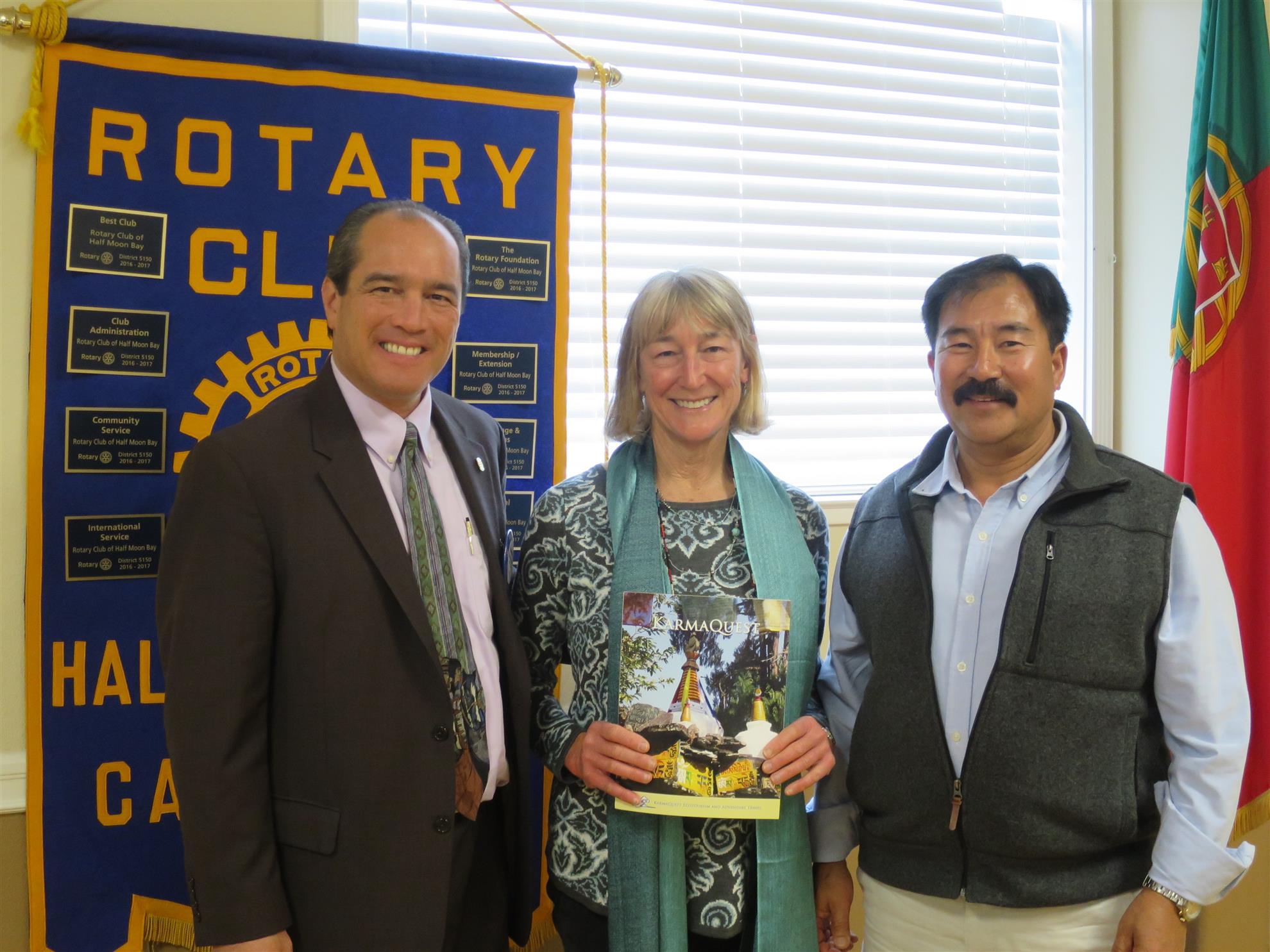
Wendy Brewer Lama and Karma Lama
Karma Quest Ecotourism and Adventure Travel
.JPG)
.JPG)
Article by Stacy Trevenon
Photos by EJ Dieterle
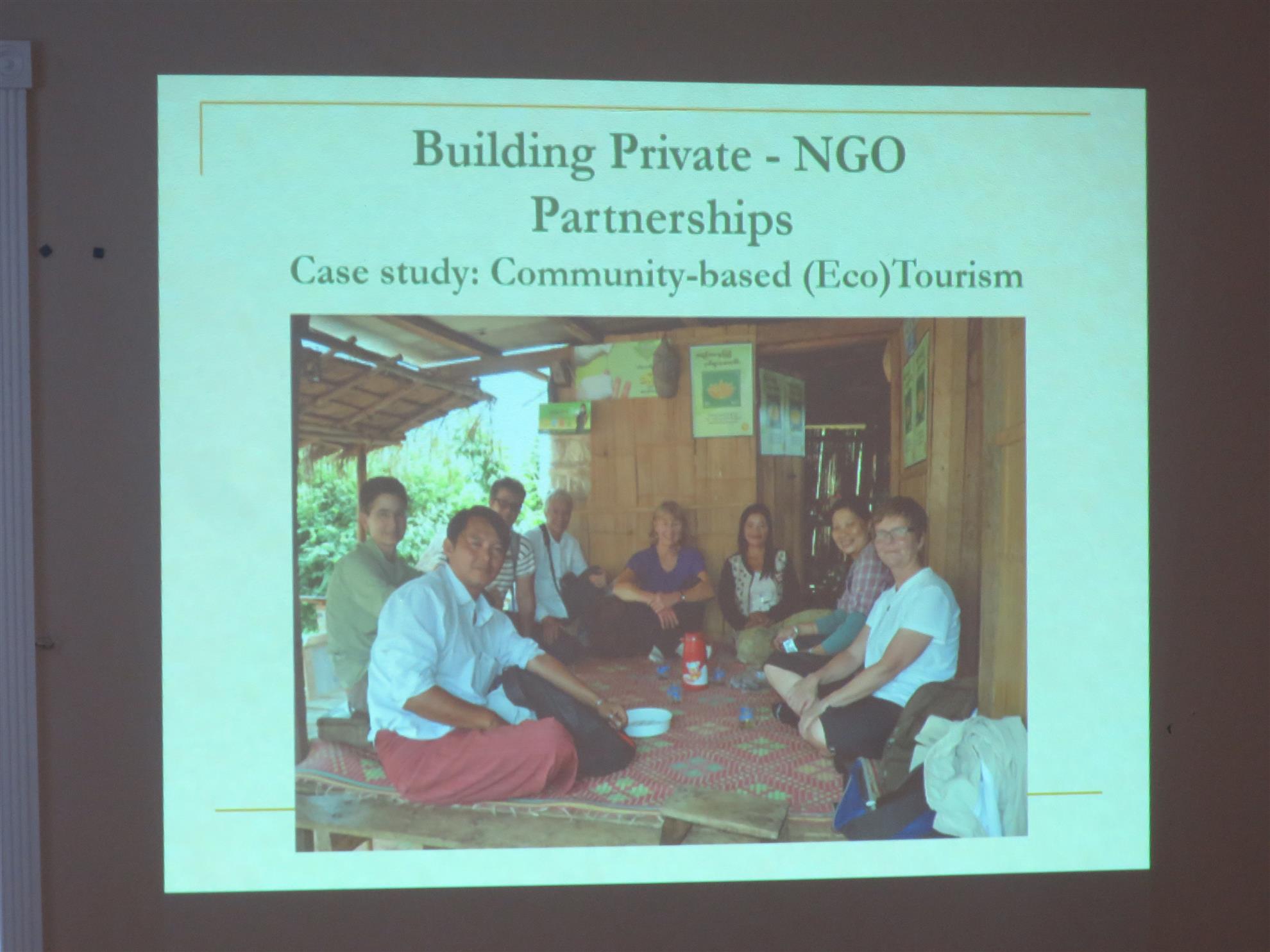
Today's speakers were Wendy Brewer Lama and Karma Lama, the developers and owners of Half Moon Bay-based Karma Quest Ecotourism and Adventure Travel, which creates and offers cultural, eco-tourism and adventure travel around the world. Many of their trips collaborate with or benefit NGOs in the countries they visit. Wendy spoke of "Building Private - NGO Partnerships for Sustainable, Community-Based Ecotourism."
The private/nonprofit partnership model of which she spoke is a partnership between a for-profit company and a nonprofit organization with interactive, operational involvement and mutual benefits. This is a "business partnership" that can be structured as a joint venture, a formal or informal agreement or by spontaneous mutual consent.
Wendy ran through a list of Karma Quest tour destinations which included all of India, Bhutan, Nepal, Tibet, all of China, Mongolia, Thailand, Cambodia, Burma/Myanmar, Vietnam, Sri Lanka, Australia, Kyrgyzstan and more. She elaborated on the objectives around which tours are built, such as participants wanting to encounter the snow leopard, see local birds or wildlife, have botanical trips, or focus on special interests such as local textiles or educational travel.
Tours are set up in partnership with particular groups, such as conservation interests or those that protect wildlife and their habitats. Wendy said, "Our trips contribute to nature conservation activities and social needs." Tour clients, she said, are typically mature adults, often in the 50s- to 70s-year-old range, though KarmaQuest also organizes tours for high school and university students.
Providing tours often run into challenges, she said, citing geo-political influences, strikes or natural disaster. Other kinds of challenges Karma Quest deals with include competition from other companies and keeping current with in-country conditions. Still, Karma Quest has succeeded and ecotourism thrives.
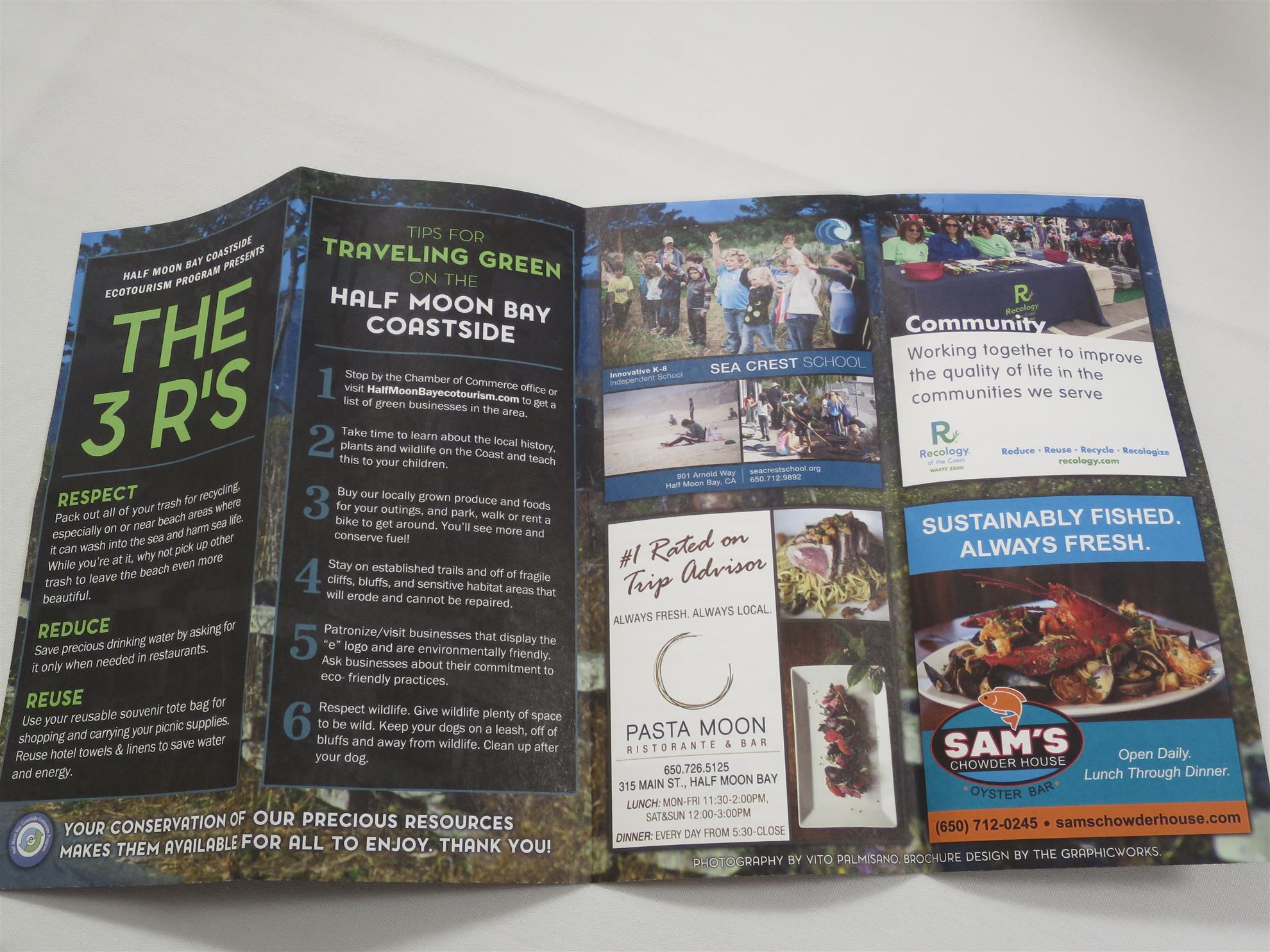
Wendy spoke of her experience in the business. She had been an ecotourism development* consultant from 1987 to 2014, working with organizations in China, Tibet, Mongolia and throughout Southeast Asia. After living in Nepal for 15 years (1984-1999) she moved back to Half Moon Bay. She thought that it provided the ideal beautiful, resource- and cultural- rich coastal setting that could benefit from ecotourism -- that when visitors and local businesses value those characteristics, ecotourism could thrive because people would invest in preserving what tourists come to see. She consulted with HMB Chamber of Commerce director Charise McHugh on the idea of designing an ecotourism program including a weekend ecotourism experience focused on HMB and the Coastside. The program included such elements as "Farmer John" Muller and his popular autumnal pumpkin farm, sustainable fishing, whale-watching, wineries and more -- in other words, a focus on what we have here that's unique and how to preserve it by participating businesses setting ecotourism standards that that they would meet.
She spoke of the shared benefits of the private-NGO partnership model, in terms of creating a win-win situation. She gave the example of the Kangchendzonga Conservation Committee (KCC) in Sikkim, India. That NGO's roles and services include training guides and porters, managing the impacts of tourism which can include erosion and garbage, education about ecotourism and lobbying for ecotourism policies in government. The services provided by this NGO are highly valuable to KarmaQuest and other ecotour operators, thus making that partnership successful from the private sector point of view. She detailed roles and services that ecotourism as a business fulfills, including guiding the greater community in developing products based around ecotourism. Such products include books, homestays, naturalist and porter services, and building environmental awareness. These services benefit the communities and NGOs, contributing to their efforts in various ways.
She spoke of the Snow Leopard Conservancy India Trust (SLC-IT), depicting it as a good example of a win-win scenario. SLC-IT has strengthened the private ecotourism sector’s relationships with local communities. She detailed its roles and services, including building awareness and support for snow leopard conservation, product development assistance, support of eco-cafes and guided wildlife treks, promotion of Himalayan Homestays which offers activities in tandem with local operators, linking local TOs with conservation needs such as solar showers or cooking equipment, monitoring feedback and directing donations to snow leopard conservation.
She detailed the benefits that come with NGO-private sector partnership to the private sector. Those enable community-based ecotourism products that strengthen a business’s relationship with the community and adds to the visitors’ overall experience. When the private sector has such a partnership and products, it also expands the market and reduces operational costs while building pride in doing the right thing.
She then detailed benefits of such a partnership to nonprofits. It generates revenue for administrative or operational development, supports conservation and social benefits and expands the donor base through memberships, sponsorship or volunteerism. Personal confidence or professional skills are enhanced, and a market for local products, community trust and a foundation for growth and a sustainable future, are built.
Positive results of these kinds of partnerships are that travelers sample other worlds and ethnic cultures, such as local cuisine. Also, the business supports local national parks and travelers give donations to local causes, i.e. medical supplies.
But there are challenges. For NGOs, challenges might be understanding of market issues, or that English language or communication skills or resources may be weak. High staff turnover, inequitable benefits or conflicting interests are also challenges. What could be better from the NGO perspective? Balancing community interests with visitor preferences, rotating homestay locations for comfort, adjusting visitor expectations to the situation, better use of social media, strong focus on private/NGO partnerships with an eye toward win-win, can all be emphasized.
Challenges of partnerships for the private sector may include intolerance of CBE challenges, insufficient demand for services, and current geo-political climate issues. Solutions include emphasis on raising sensitivity, rotating and bolstering the alliance among service providers, and diversifying the market.
Ideas to better build and develop partnerships include a "tool kit" for partnership building. It includes careful selection of partners, obtaining and utilizing personal references, testimonials and feedback, conducting online research when needed and using annual reports. Tools for maintaining partnerships included contracting for services and avoiding commissions, defining and following clear roles, clearing the criteria that value local knowledge and gender sensitivity, and once trust is established, investing in capacity building and prioritizing sustainability.
Wendy ran through a list of Karma Quest tour destinations which included all of India, Bhutan, Nepal, Tibet, all of China, Mongolia, Thailand, Cambodia, Burma/Myanmar, Vietnam, Sri Lanka, Australia, Kyrgyzstan and more. She elaborated on the objectives around which tours are built, such as participants wanting to encounter the snow leopard, see local birds or wildlife, have botanical trips, or focus on special interests such as local textiles or educational travel.
Tours are set up in partnership with particular groups, such as conservation interests or those that protect wildlife and their habitats. Wendy said, "Our trips contribute to nature conservation activities and social needs." Tour clients, she said, are typically mature adults, often in the 50s- to 70s-year-old range, though KarmaQuest also organizes tours for high school and university students.
Providing tours often run into challenges, she said, citing geo-political influences, strikes or natural disaster. Other kinds of challenges Karma Quest deals with include competition from other companies and keeping current with in-country conditions. Still, Karma Quest has succeeded and ecotourism thrives.
Wendy spoke of her experience in the business. She had been an ecotourism development* consultant from 1987 to 2014, working with organizations in China, Tibet, Mongolia and throughout Southeast Asia. After living in Nepal for 15 years (1984-1999) she moved back to Half Moon Bay. She thought that it provided the ideal beautiful, resource- and cultural- rich coastal setting that could benefit from ecotourism -- that when visitors and local businesses value those characteristics, ecotourism could thrive because people would invest in preserving what tourists come to see. She consulted with HMB Chamber of Commerce director Charise McHugh on the idea of designing an ecotourism program including a weekend ecotourism experience focused on HMB and the Coastside. The program included such elements as "Farmer John" Muller and his popular autumnal pumpkin farm, sustainable fishing, whale-watching, wineries and more -- in other words, a focus on what we have here that's unique and how to preserve it by participating businesses setting ecotourism standards that that they would meet.
She spoke of the shared benefits of the private-NGO partnership model, in terms of creating a win-win situation. She gave the example of the Kangchendzonga Conservation Committee (KCC) in Sikkim, India. That NGO's roles and services include training guides and porters, managing the impacts of tourism which can include erosion and garbage, education about ecotourism and lobbying for ecotourism policies in government. The services provided by this NGO are highly valuable to KarmaQuest and other ecotour operators, thus making that partnership successful from the private sector point of view. She detailed roles and services that ecotourism as a business fulfills, including guiding the greater community in developing products based around ecotourism. Such products include books, homestays, naturalist and porter services, and building environmental awareness. These services benefit the communities and NGOs, contributing to their efforts in various ways.
She spoke of the Snow Leopard Conservancy India Trust (SLC-IT), depicting it as a good example of a win-win scenario. SLC-IT has strengthened the private ecotourism sector’s relationships with local communities. She detailed its roles and services, including building awareness and support for snow leopard conservation, product development assistance, support of eco-cafes and guided wildlife treks, promotion of Himalayan Homestays which offers activities in tandem with local operators, linking local TOs with conservation needs such as solar showers or cooking equipment, monitoring feedback and directing donations to snow leopard conservation.
She detailed the benefits that come with NGO-private sector partnership to the private sector. Those enable community-based ecotourism products that strengthen a business’s relationship with the community and adds to the visitors’ overall experience. When the private sector has such a partnership and products, it also expands the market and reduces operational costs while building pride in doing the right thing.
She then detailed benefits of such a partnership to nonprofits. It generates revenue for administrative or operational development, supports conservation and social benefits and expands the donor base through memberships, sponsorship or volunteerism. Personal confidence or professional skills are enhanced, and a market for local products, community trust and a foundation for growth and a sustainable future, are built.
Positive results of these kinds of partnerships are that travelers sample other worlds and ethnic cultures, such as local cuisine. Also, the business supports local national parks and travelers give donations to local causes, i.e. medical supplies.
But there are challenges. For NGOs, challenges might be understanding of market issues, or that English language or communication skills or resources may be weak. High staff turnover, inequitable benefits or conflicting interests are also challenges. What could be better from the NGO perspective? Balancing community interests with visitor preferences, rotating homestay locations for comfort, adjusting visitor expectations to the situation, better use of social media, strong focus on private/NGO partnerships with an eye toward win-win, can all be emphasized.
Challenges of partnerships for the private sector may include intolerance of CBE challenges, insufficient demand for services, and current geo-political climate issues. Solutions include emphasis on raising sensitivity, rotating and bolstering the alliance among service providers, and diversifying the market.
Ideas to better build and develop partnerships include a "tool kit" for partnership building. It includes careful selection of partners, obtaining and utilizing personal references, testimonials and feedback, conducting online research when needed and using annual reports. Tools for maintaining partnerships included contracting for services and avoiding commissions, defining and following clear roles, clearing the criteria that value local knowledge and gender sensitivity, and once trust is established, investing in capacity building and prioritizing sustainability.
March 1, 2018 Meeting Recap
Photos by EJ Dieterle
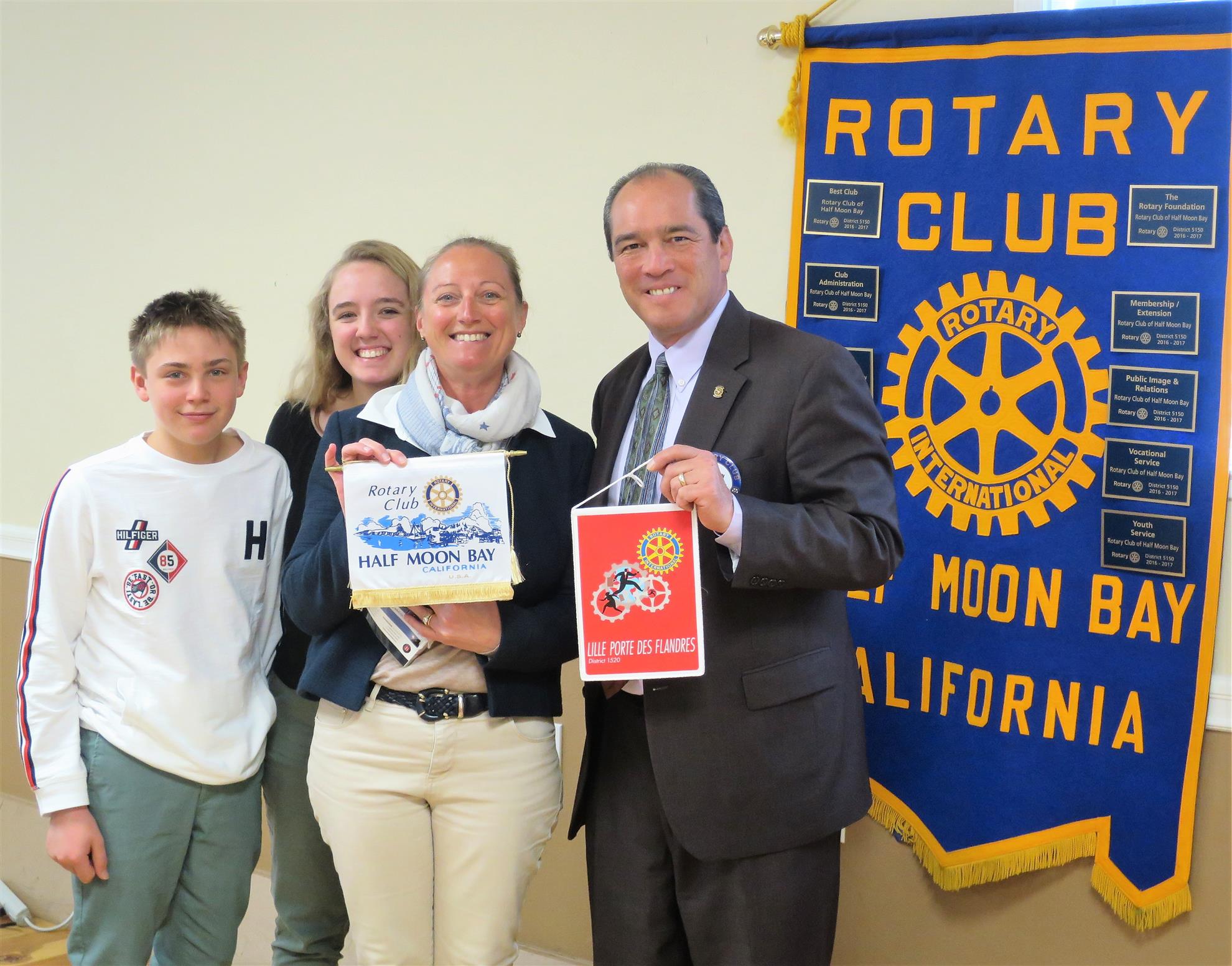
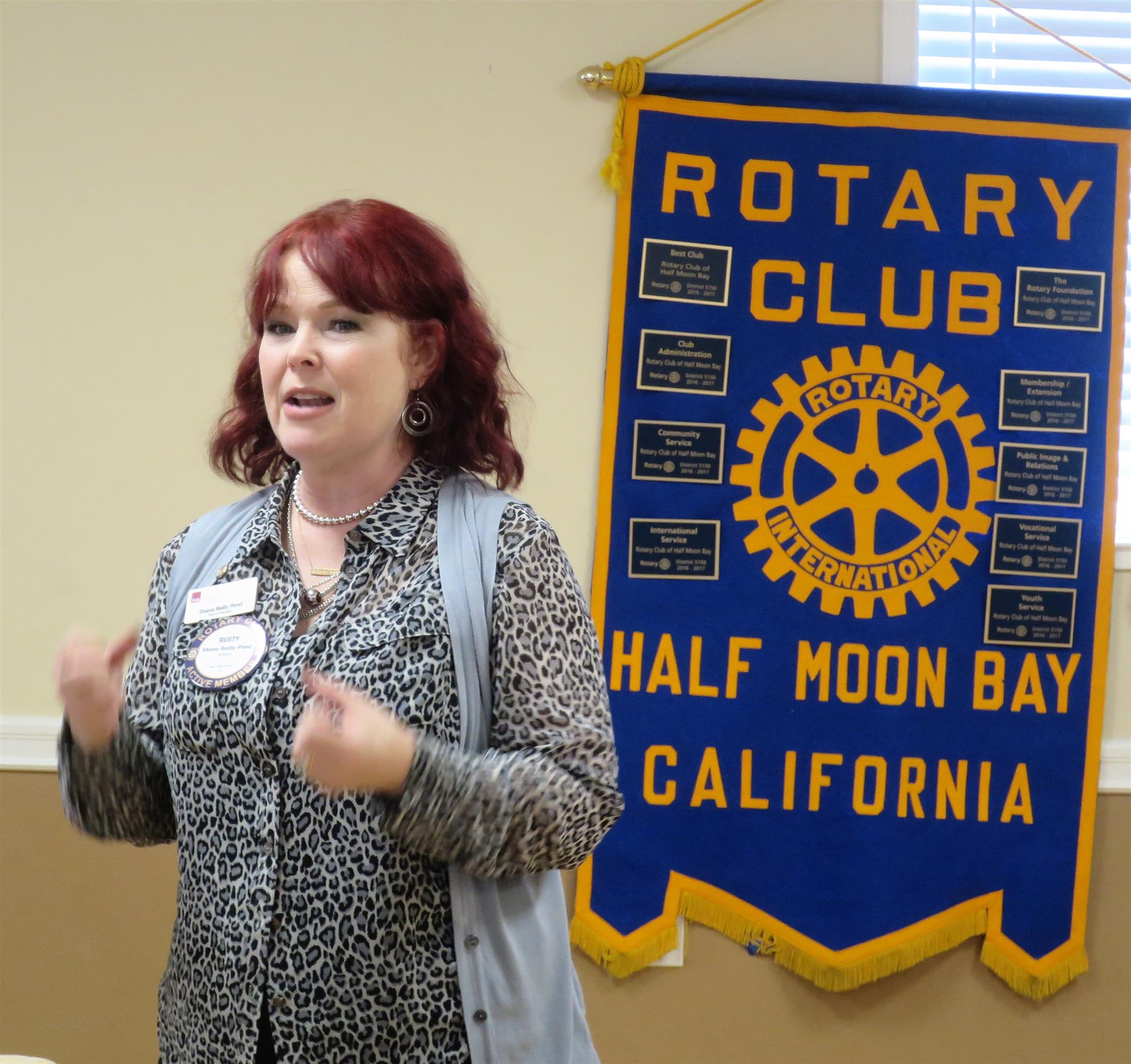
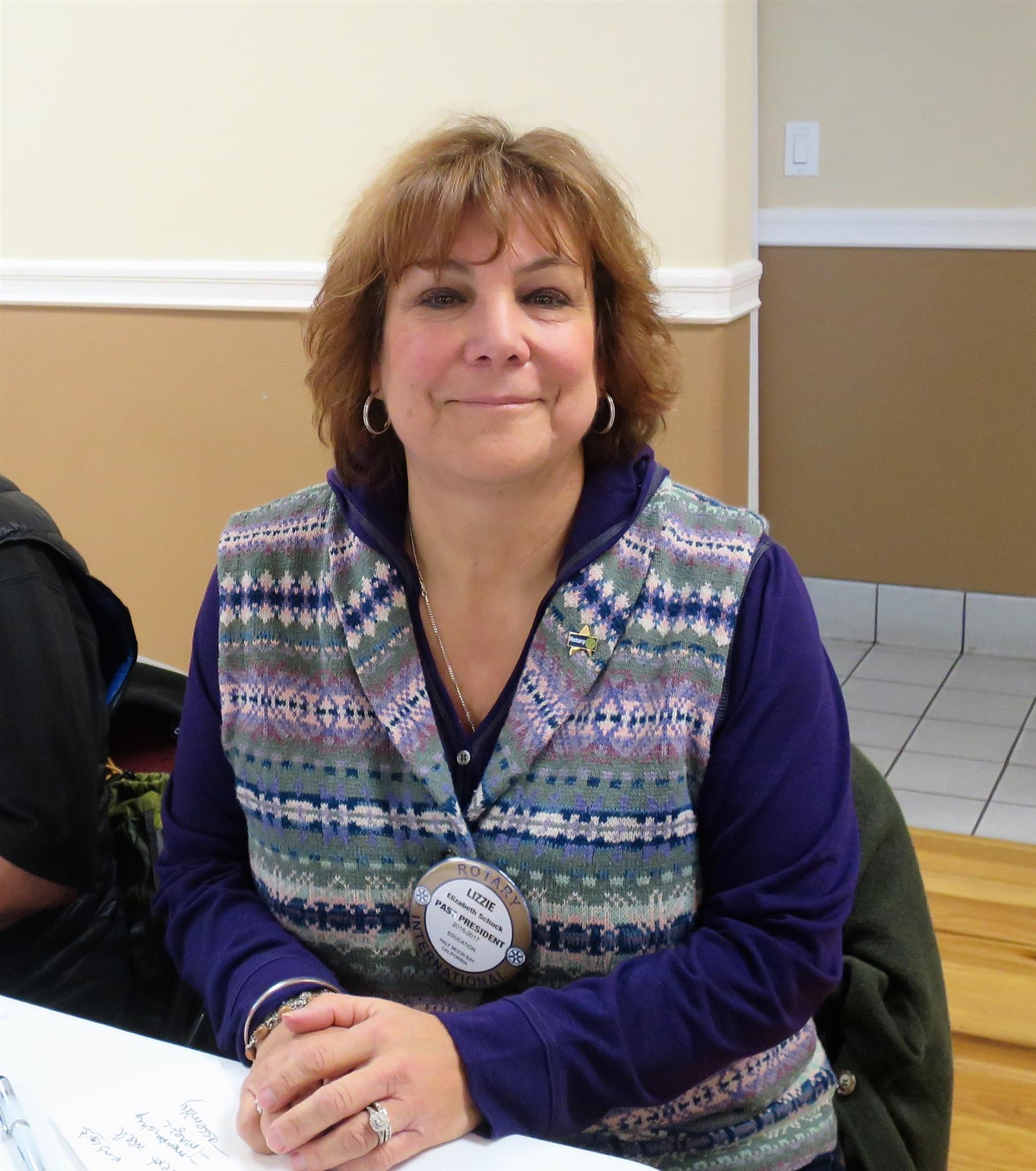
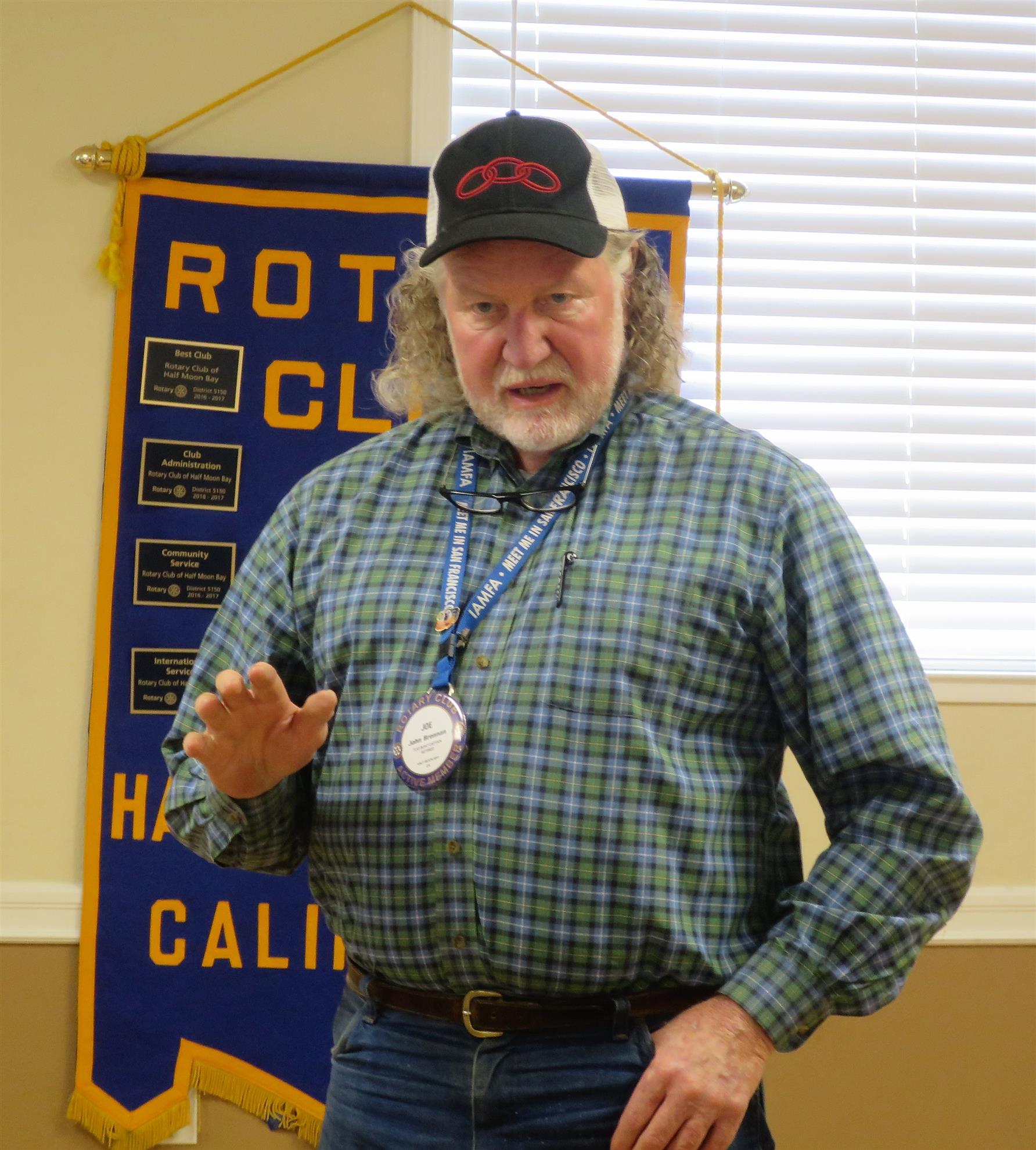
Editor's Note: Sorry I haven't received any meeting notes for this week. If they do come in, I'll add them. But in the meantime there are great pictures from EJ to enjoy.
PHOTO GALLERY
.JPG)
.JPG)
.JPG)
.JPG)
.JPG)
.JPG)
.JPG)
.JPG)
.JPG)
.
REMINDERS
Our Monthly Rotary Day at the Community Free Breakfast (held at the Lutheran Church will be Wednesday, MARCH 28. Please sign up for a shift for future days (last Wednesday of each month.)
Rainy Day Project for the Homeless - Rotary Assignment Shana Reilly-Pond and Liz Schuck are looking for volunteers to man the rainy day shelter for the homeless at a location next to the Lutheran Church. The Shelter will be open in the mornings on rainy days so the homeless can dry off, put on dry clothes, etc. Various charitable organizations on the Coastside will be manning the shelter.
OUR SPEAKERS and PROGRAMS for MARCH
3/15 St. Patrick Day feast, Offsite at Cameron's
3/22 Rotarian Shop Talks: Arancha Casal & Dianne Bobko
3/29 Speaker: TBA